There are plenty of reasons to update your current plumbing and replace your old appliances with water-saving toilets, new sinks, new showerheads, water softener systems, and other new plumbing fixtures. Modern plumbing technology can keep everything running smoothly and add to your home's modern aesthetic. Plumbing installation services also are one of our specialties at ARS/Rescue Rooter.
Schedule your plumbing service today!
Expert Sink, Shower, and Tub Faucet Installation
Picking out the perfect fixtures for a bathroom or kitchen renovation is the easy part, but plumbing fixture installation can be a little more complicated depending on the layout of the room and the type of fixtures you choose. Luckily, the expert plumbers at ARS/Rescue Rooter have the expertise to install both sinks and showers the right way the first time.
Stylish Fixtures That Save Water and Money
These days, there are so many great options in the world of bathroom and kitchen fixtures for updating your look, saving water, and making your everyday routine just a little more convenient.
One simple way to save money is by installing new sink faucets or aerators to reduce your home's water usage. Aerators work by mixing the water from the faucet with air, reducing the amount of water needed to maintain pressure. Users likely won't notice a difference; at least, not until the lower water bill comes. Another smart option is low-flow showerheads.
High-Tech Bathroom Upgrades
Bathrooms are also going high-tech as manufacturers are pushing plumbing technology to new levels. There is a new wave of showers and shower heads featuring computer programming to control temperature, water pressure, and spray type. That means every member of the family can have the personalized shower experience they've always wanted.
Instant Hot Water Dispenser Installation
There's already plenty to do in the kitchen, from cooking to washing dishes and cleaning up. With an instant hot water dispenser, you'll have the option to speed things along, so you'll spend less time waiting around and more time being productive.
Instant hot water dispensers come in hot-only and hot and cool water models—both of which your local ARS/Rescue Rooter plumbing expert can easily install—and the water can be filtered, as well as heated. Most models have a small, thermally-insulated tank with a heater that keeps water in the tank hot until you need it. The tank sits under the sink, out of the way, with a small tap on the counter on one side of your main faucet.
Models to Match Your Kitchen Needs
Types of instant hot water dispensers include:
- Boil-on-demand dispenser
- Hot water tank dispenser
- Thermo Pot electric kettle hot water dispenser
- Bottom-load water dispenser
- Tabletop water dispenser
- Direct piping water dispenser
Water Purification System Installation
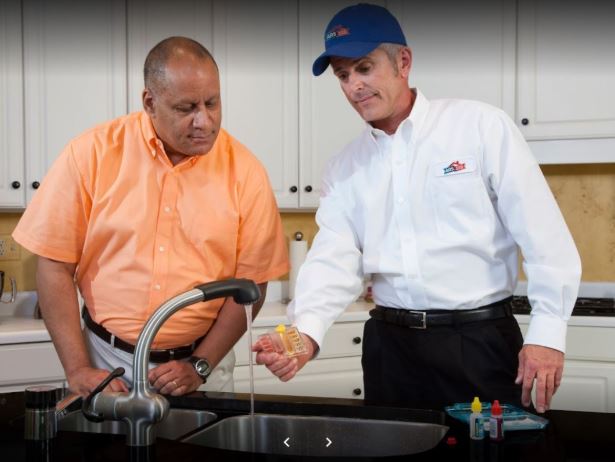
Clean water is essential for your family and the health of your home's plumbing. Unfortunately, the water supplied to some communities contains minerals, chlorine, and other impurities that are not ideal for people and can be problematic for your home's pipes and appliances. Luckily, the plumbers at ARS/Rescue Rooter can help with professional water purification system installation.
Contaminants in your home's water can cause unpleasant odors or taste, leave your skin feeling dry and itchy, and even lead to health problems. In addition, minerals like calcium and magnesium create lime-scale, which can cause spotty dishes and tile scum, and make your laundry gray and stiff – a condition known as hard water. Even worse, lime-scale deposits can clog and damage your dishwasher, water heater, and other appliances.
Full-Home Water Solutions
We offer a complete range of whole-house water softener and filtration systems that use the latest technology to deliver high-quality, fresh-tasting water. All our filtration systems require no regular maintenance. Our water filtration systems range from single-stage systems, which improve the taste and smell of your water, to complete five-stage systems that provide maximum filtration and condition your water without chemicals to protect your home's plumbing.
Green Water Conservation Plumbing
Protecting the environment is everyone's responsibility, which is why the plumbers at ARS/Rescue Rooter are well-versed in water conservation plumbing options and how they can fit into your home. There have been many advances in green plumbing technology in the last few years, so if you're considering updates, there's a solution out there that will meet your needs—and your budget.
Efficient Fixtures for Long-Term Savings
Reducing your home's water bill is a great way to keep more money in your pocket and reduce demand on this precious resource. Fortunately, there are many energy-efficient plumbing water conservation advances that make it easy for you to consume less and conserve more:
- Low-flow, high-efficiency, and dual flush toilets for making sure every flush counts
- A wide range of options for water heaters, including: tankless water heaters, solar water heaters, tankless coil and indirect water heaters, and heat pump water heaters
- New sink faucets or aerators that conserve water without noticeably affecting water pressure
- High-efficiency showerheads for those days you really need a long, hot shower but don't want to waste water
See a full list of the plumbing services we offer!
Contact Us for Plumbing Expertise
Improve your water quality at home with the help of the plumbing experts at ARS/Rescue Rooter. Contact us anytime at 866-399-2885 for everything from general advice to installation, or schedule a service today.
Our Other Services
- Drain Services
- Garbage Disposal Services
- Gas Line Repair Service
- Plumbing Installation Services
- Kitchen Exhaust Services
- Plumbing Maintenance Services
- Plumbing Repair Services
- Septic Tank Repair Services
- Sewer and Water Line Services
- Sump Pump Services
- Tankless Water Heater Services
- Water Heater Services


