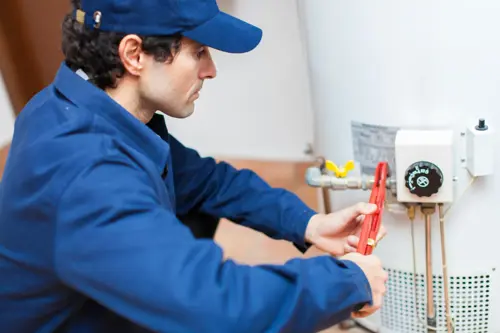
Say hello to comfort and goodbye to cold showers. Call ARS®/Rescue Rooter®, and we’ll get your water heater working again in no time.
A water heater is an appliance that’s easy to forget about—until you’re taking cold showers. And by then, it’s too late for preventive maintenance. That’s why it’s important to call in your local ARS/Rescue Rooter plumber when your water heater shows signs of trouble. We'll address the issue with a prompt, thorough hot water heater repair backed by our Exceptional Service Guarantee.
Call Now for Water Heater Service
Water Heater Repair
If you’re noticing your hot water isn’t as hot as you’d like it to be or notice discolored water from the hot water tap, it might be time to get your hot water heater checked out. Over time, water heaters often suffer from sediment build-up that can damage the tank. To remove these sediments, it may be necessary to drain and flush your tank.
Some DIYers can do this themselves, but we recommend that a professional perform water heater repair to avoid any potential problems or warranty issues. ARS/Rescue Rooter is here to help answer your questions, help you decide whether repair or replacement is needed, and provide guaranteed repair when needed.
Water Heater Installation
Today, you have more options to consider when installing or replacing your water heater, many of which can improve energy efficiency and the green living profile of your home while saving you money at the same time. Typically, you’ll have a choice between gas, electric, tankless, and even solar-powered water heaters.
Choose the Right Water Heater For You
Here are a few things to consider when you’re shopping for a new water heater replacement:
Number of people living in your home (hot water demand)
How well your old unit supplied your demand
Fuel type, availability, and cost
Estimated energy efficiency of various models
Length of warranty
Maintenance and repair information
Cost of unit as it relates to annual operating cost
Local municipal code requirements
Cost Considerations:
Water heater prices vary for a wide range of reasons, including the local municipal code/permit requirements, water line connections, gas line, strapping, access, tank size, and type of water heater. ARS/Rescue Rooter is ready to help you weigh your options. Get the best recommendations from our experienced team. We’ll provide you with a free, upfront quote.
Water Heater Maintenance
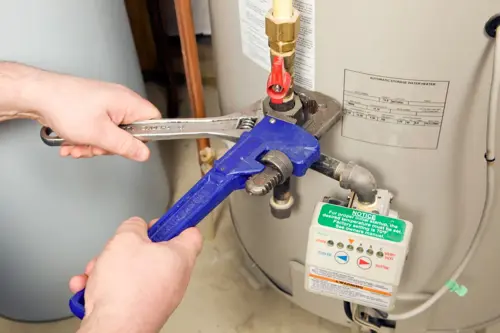
Your water heater maintenance—whether it is gas, electric, or solar powered—works hard every day to provide you with hot water for your showers, dishwashing, laundry, and more. If you want it to last as long as possible, it’s important to keep an eye on how it’s functioning and conduct regular water heater maintenance. If your water temperature is inconsistent lately, it might just need a quick tune-up, which happens to be one of our specialties at ARS/Rescue Rooter.
What Our Customers Are Saying
At ARS®, we pride ourselves on fast, reliable water heater service backed by real customer experiences. Read what satisfied customers are saying about their water heater service with ARS:
“I replaced my 21 year old gate water heater. The installation team was prompt. The installers kept me informed during the whole process. Everything was completed and cleaned up within the 3 hour time period. They answered all my questions and reviewed all pertinent operating instructions with me. I was very pleased!! Frank and Bert are wonderful!” - Sheila D P Miller
“Everyone was great, from the prompt caller who scheduled us to check our water heater, to Roy, the specialist who came to our home. Roy was very friendly and informative in recommending the best solution for our problem. He was able to schedule the installation of a new water heater the next morning. Great experience!” - Nancy Hurst
Why Choose ARS for Your Water Heater Service?
At ARS®/Rescue Rooter®, we provide top-quality water heater service throughout the USA with a commitment to customer satisfaction. Here’s why homeowners choose us:
Fast, Reliable Service: We offer quick, dependable service, available 24/7 for both emergencies and scheduled repairs.
Expert Technicians: Our licensed, insured technicians provide precise, efficient water heater solutions.
Clean Service Guaranteed: We protect your home with drop cloths and shoe covers—no mess, just a working water heater.
Upfront Pricing: We provide clear, upfront pricing with no hidden fees, so you know what to expect.
Flexible Financing: We offer flexible financing options to help you manage the cost of repairs or replacements.
Satisfaction Guaranteed: If you’re not satisfied, we’ll make it right with our Exceptional Service Guarantee.
Choose ARS for your water heater service and enjoy fast, professional, and hassle-free service.
Ready to Get Your Water Heater Fixed?
When it comes to water heater service, ARS®/Rescue Rooter® expert technicians offer fast response times, upfront pricing, and commitment to cleanliness. You can rely on us to get the job done right.
Don’t wait for a small issue to turn into a bigger problem. Contact us today to schedule your water heater service and experience the ARS difference.
Water Heater Frequently Asked Questions
What is the most common problem with water heaters?
The most common issue with water heaters is a lack of hot water. This can be due to a faulty heating element, a broken thermostat, or a malfunctioning pilot light. Other common issues include rust-colored water, leaks, strange noises, and a reduction in the amount of hot water available. In some cases, these problems can be fixed with simple maintenance, but in others, it may be necessary to replace the water heater.
Is it worth it to repair a hot water heater?
The answer to this question depends on several factors.
Age of the heater: If the hot water heater is relatively new and the repair cost is low, it may be worth repairing it. However, if the heater is over 10 years old, it may be more cost-effective to replace it.
Type of repair: Some repairs, such as fixing a leak or replacing a faulty thermostat, may be relatively inexpensive and straightforward, making them worth repairing. Other repairs, such as replacing a failed heating element or fixing a corroded tank, may be more costly and time-consuming, making replacement a more attractive option.
Energy efficiency: If your hot water heater is outdated and inefficient, repairing it may not be worth the cost if you won't see a significant improvement in energy savings. In this case, replacing it with a newer, more efficient model may be a better investment.
Availability of parts: If the parts needed for the repair are hard to find or are no longer manufactured, it may not be worth repairing the hot water heater.
Ultimately, the decision to repair or replace your hot water heater should be based on a cost-benefit analysis, taking into account the factors mentioned above. If in doubt, consult with a licensed plumber for a professional assessment and recommendation.
What are the signs that my water heater is failing?
There are several signs that indicate your water heater is going out, including:
Lack of hot water: If you are not getting enough hot water, it could be a sign of a faulty water heater.
Strange noises: If you hear rumbling, banging, or popping noises coming from your water heater, it could indicate a problem.
Leaks: A leak in your water heater can be a sign of corrosion, a damaged tank, or a failing pressure relief valve.
Rust-colored water: If you notice rust-colored water coming from your hot water taps, it could mean that your water heater's tank is rusting and needs to be replaced.
Age: If your water heater is over 10 years old, it may be reaching the end of its lifespan and may need to be replaced.
If you are experiencing any of these signs, it is recommended to have a professional plumber inspect your water heater to diagnose the problem and suggest a solution.
How often should a water heater be serviced?
At ARS®/Rescue Rooter®, we recommend having your water heater professionally serviced once a year to keep it running efficiently and extend its lifespan. Our expert technicians will identify small issues before they turn into costly repairs by checking for sediment buildup, inspecting the tank and connections, and ensuring the system is running safely.
Give ARS/Rescue Rooter a call at 866-399-2885 for advice on your best water heater options and expert repair and hot water heater installation.
Our Other Services
- Drain Services
- Garbage Disposal Services
- Gas Line Repair Service
- Plumbing Installation Services
- Kitchen Exhaust Services
- Plumbing Maintenance Services
- Plumbing Repair Services
- Septic Tank Repair Services
- Sewer and Water Line Services
- Sump Pump Services
- Tankless Water Heater Services
- Water Heater Services


