
You're doing the dishes after dinner, and when you open the cabinet under your sink to get something you see it - Your garbage disposal is leaking.
A garbage disposal leaking from the bottom is a common problem that plagues many homeowners. There are several reasons why this could be happening with your garbage disposal, but most of them have to do with care and maintenance of the garbage disposal unit itself.
The short answer: Water dripping from the bottom of the disposal usually points to worn internal seals or a cracked housing. Those parts generally can't be repaired, so the fix is usually a new unit. Before you assume the worst, though, check the connections above it. A loose sink flange, dishwasher hose, or drain pipe can send water down the side of the disposal so it drips from the bottom. If the unit itself is the problem, garbage disposal repair and replacement from a trained plumber can get your sink back in working order.
This article will cover some of these common causes as well as some things you can do about them on your own. However, if none of those options work or if nothing seems to be making it better, then it may be time to call a plumbing professional from ARS®/Rescue Rooter® - especially if there is any flooding occurring underneath your kitchen sink area.
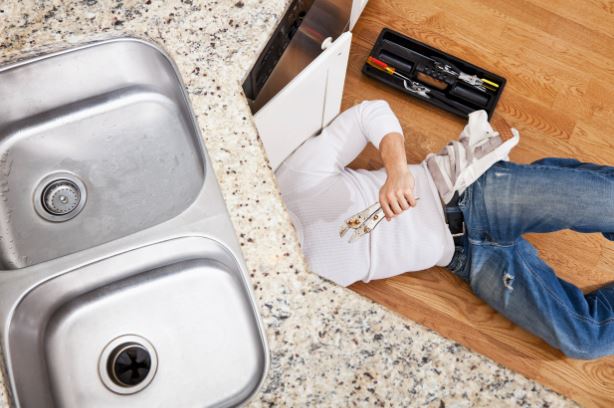
How to Locate a Garbage Disposal Leak
Kitchen garbage disposals are powerful tools that help you get rid of your garbage in a quick and efficient way. But sometimes garbage disposals start to leak around the seams, which can be annoying. Luckily there are some easy ways to track down the source of the leak by following these simple steps:
- Shut off power to the disposal at the breaker box, then locate the garbage disposal unit inside your sink cabinet.
- Dry the outside of the disposal and the pipes around it with a towel.
- Put the sink stopper in, add a few inches of water, and pull the stopper. Watch where the first drops form: at the sink flange on top, at the dishwasher hose or drain pipe on the side, or on the bottom of the unit itself.
- If water appears at a seam, look for a rubber gasket there. If it's missing or damaged, it may need to be replaced.
- Inspect all pipes and drain lines beneath your sink. Check for damaged gaskets, loose clamps, and kinked or clogged hoses, since a backup can push water out of a loose connection.
NOTE: If the disposal seems to be leaking from the top, the sink flange seal is the usual suspect. If water is reaching the disposal's electrical connection, keep the power off and call a plumber before you use the unit again.
Now let's explore what specific leaks at different points of your garbage disposal mean, and determine when you should call for professional garbage disposal repair service from a trained plumber.
Leak at the Sink Flange
Make sure that all pieces are properly in place where they attach together. Check that the disposal is firmly locked onto the mounting ring under the sink and that the drain pipe is tight. If you are using a garbage disposal with your dishwasher, make sure the dishwasher drain pipe is connected properly. There should be no wiggle room between where anything connects.
If all of these areas are securely connected and fastened together, then it may be something else causing the leaky garbage disposal - for example, if there is too much garbage in the garbage disposal or garbage disposal main drain line, the water will not run efficiently through it - this could cause a leak at any point along its length. It could also cause your garbage disposal unit to get clogged.
Leak at the Dishwasher Hose
Garbage disposals are typically connected directly beneath the kitchen sink into an existing drain line. If you have a dishwasher, its drain hose usually connects to an inlet on the side of the disposal and is held in place with a clamp. A loose clamp or worn hose can drip down the side of the unit and collect at the bottom, which is why this leak often shows up only while the dishwasher is draining.
If you find that the garbage disposal leaks at the hose connection for any reason (e.g., age or wear and tear), try tightening the clamp or replacing the hose before attempting anything else. If the disposal was installed before you moved in and you don't know its age, it may be time for professional plumbing installation.
If none of these options work, then it's possible that there is debris lodged inside of the garbage disposal or garbage disposal drain.
Leak From the Reset Button
On most garbage disposals, the reset button is on the bottom of the unit. It trips and cuts power to the motor when the disposal overheats or jams. If water is coming out around the reset button, it usually means the seals inside the unit have worn out and water is getting past them. This type of leak typically can't be repaired, and replacing the disposal is usually the most practical fix.
To help prevent jams, avoid putting eggshells, coffee grounds, fruit pits, bones, or grease down the disposal. It is also important not to try and use too much force with garbage disposals - garbage disposals are designed for easy operation; you should not have to force garbage down the garbage disposal drain.
A Broken Seal Inside the Unit
The garbage disposal unit is sealed into place at the sink flange by a rubber gasket. This gasket can wear over time and may need to be replaced, especially if you notice leaking coming from there. A worn flange gasket is something you can replace yourself or have a professional handle. The seals deep inside the disposal are a different story: they generally aren't serviceable, so a leak from inside the unit usually means it's time for a replacement.
Cracks in the Disposal Body
You can look for cracks in your garbage disposal unit. When garbage disposals leak from the bottom, it's usually because there has been damage done to it - either through regular use over time or due to an impact. A cracked housing can't be patched reliably, so it's best to have a plumber confirm the damage and replace the unit before the leak gets worse.
Other Garbage Disposal Tips to Remember
Before you do anything with your garbage disposal itself, shut off power to the unit at the breaker box to avoid electrical shock. Make sure that there isn't any garbage or debris where it connects to your sink or garbage disposal drain. It's also important not to overload the disposal. Run cold water before and after each use, since hot water can melt fats that clog your pipes once they cool, and keep eggshells, coffee grounds, fruit pits, bones, and grease out of it.
Lastly, if all of these areas checked out and your garbage disposal still keeps leaking from underneath your kitchen sink, then it may be time to replace your garbage disposal completely. If you need help with installation or repair, the trained plumbers at ARS/Rescue Rooter can inspect the unit and recommend the right next step.
Should You Repair or Replace a Leaking Disposal?
Where the water comes from usually tells you which way to go:
- Sink flange: Usually repairable by resealing the flange or replacing its gasket.
- Dishwasher hose or drain pipe: Usually repairable by tightening a clamp or replacing a hose or gasket.
- Bottom of the unit or reset button: Usually points to failed internal seals, so replacement is typically the better choice.
- Cracked housing: Replacement is typically the only lasting fix.
If your disposal is older, leaks in more than one spot, or also hums, jams, or drains slowly, replacing it may save you from repeat repairs.
New Garbage Disposal Installation from ARS/Rescue Rooter
If your leak has progressed to a broken disposal and you are unsure what causes one to stop functioning, ARS/Rescue Rooter can assist. We can replace your existing leaking garbage disposal and also help determine whether any additional plumbing issues are contributing to your garbage disposal's malfunction, such as a clogged drain.
To get started, find your nearest ARS/Rescue Rooter location here, call 866-399-2885, or schedule service online to book a plumbing repair appointment today.
Frequently Asked Questions
It's best to stop using it. Water leaking from the bottom of the unit is close to the motor and electrical connection, and every use can push more water under your sink. Shut off power at the breaker, place a bucket or towel underneath, and have a plumber look at the disposal before you run it again.
Usually not. A true bottom leak typically comes from worn internal seals or a cracked housing, and those parts generally can't be repaired. What you can do yourself is confirm the source: if the water is actually running down from the flange, dishwasher hose, or drain pipe, tightening or replacing that connection may stop it.
When the leak shows up only during the dishwasher's drain cycle, check the dishwasher drain hose where it connects to the side of the disposal. A loose clamp or worn hose can let water escape and run down to the bottom of the unit. Tightening the clamp or replacing the hose often solves this type of leak.
The reset button sits on the bottom of most disposals, below the internal seals. When those seals wear out, water can get past them and drip out around the button. Because the seals generally aren't serviceable, a leak at the reset button usually means the disposal needs to be replaced rather than repaired.


